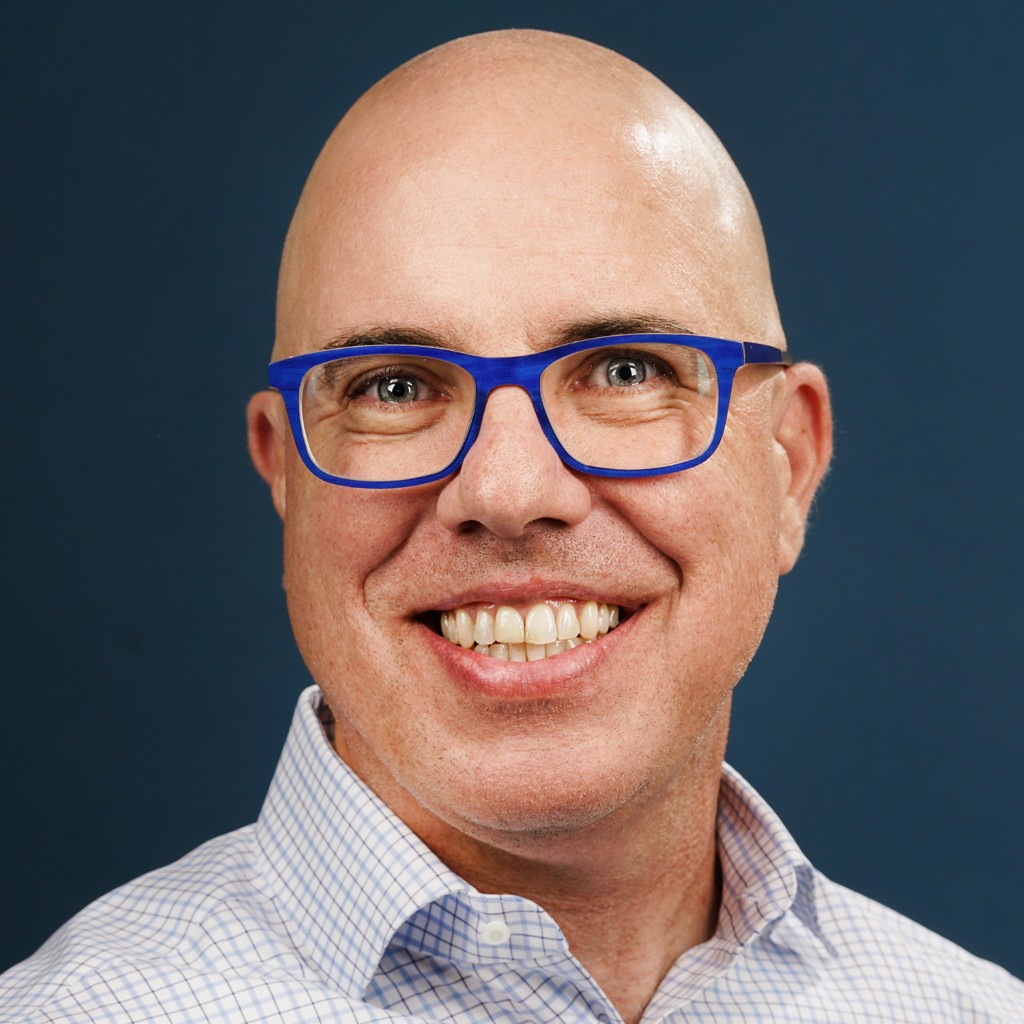
I started on a trading floor.
Before I ever sat in an investment office, let along ran one, I was pricing equity options and managing portfolio risk on the floor of the CBOE. That's not a typical path into institutional investing — and I think it changed how I see the world in ways that still show up in how I select managers, construct portfolios, and manage risk.
Trading teaches you something no graduate program can: the difference between understanding risk and being accountable for it. When your job is making sure your portfolio survives catastrophic defaults — because you own the P&L — language that sounds robust, like "risk tolerance," but lacks any real rigor stops being acceptable. You either know what you own, why you own it, and what you'll do when it goes against you — or you go under. Trading taught me more about portfolio and risk management than I could have imagined, but my instincts were always pulling somewhere else — toward deep research, long-term thinking, and the kind of patient judgement that compounds over time.
Then I got a job I didn't fully appreciate at the time.
The Teacher Retirement System of Texas under Britt Harris wasn't running a typical investment shop. The standard there was distinctive — rigorous enough to be uncomfortable, mission-driven enough that the discomfort felt worth it. It wasn't about the AUM. It was about the quality of the process and the accountability to it. I didn't fully understand what I was part of until I left.
We inherited a hedge fund program that allocated to strategies based on intuition — how much event-driven, macro, market neutral. We built a research-driven framework with our PhD colleagues: modeling how strategies perform when the rest of TRS struggled, optimizing allocations based on the answer, and building a systematic approach to manager sizing rooted in rules, not instinct. For five straight years during our tenure, we ranked in the top quartile of all funds of funds — outperforming managers charging multiples of our cost. We lowered risk along the way and helped push fee reform thinking that eventually became industry practice. TRS has continued to be one of the best-performing public pensions in the country since.
The discipline turned out to be portable. I didn't know how portable until I tested it.
$14B at Mesirow Advanced Strategies — running alternatives portfolios for pensions, endowments, and foundations across 25+ custom mandates. $7B at CSAA managing an insurance general account and $1B pension — same standards, different scale, different regulatory environment. Both had infrastructure. AAA didn't.
No CIO, no investment team, and no one who knew what an institutional investment office looked like. Just a legacy portfolio that had been run by outside parties who didn't understand the business — and a blank canvas.
Who is this for?
Most investment programs at the $500M–$3B level are making important decisions with limited support. Yes, most have consultants — a consultant running the same portfolio for 80 clients can't always tell you what's wrong for yours specifically. And hiring talented investors doesn't automatically produce institutional culture. Culture isn't a credential. It's a standard that has to be built, maintained, and audited. Most programs simply don't know what they don't know.
What I learned — rigorous sourcing, continuous re-underwriting, pre-specified exit conditions, honest self-assessment of the program itself — doesn't require a $100B budget or a team of 20. It requires a standard.
I'm not selling anything. I'm not running a fund. I'm writing because the gap between what the largest institutions know and what smaller ones can access is real — and it doesn't have to be.